Three contractors walk your project and you get three numbers. One is thousands lower than the others. You have no way to tell whether that’s a better price or a smaller scope. This is the most common problem homeowners run into, and it exists because a lot of estimates aren’t estimates. They’re a total on a page. Knowing what a contractor estimate should include turns three confusing numbers into a comparison you can actually make. A real estimate tells you what work is being done and what materials are being used. It also states what’s excluded and when it happens. That detail protects you, and it protects the contractor too. A written scope prevents an argument in week three about whether demolition was included. In New Jersey, home improvement contractors are generally required to register with the state. Written contracts are standard practice for residential work. Here’s what to look for on the page.
A Scope You Can Picture
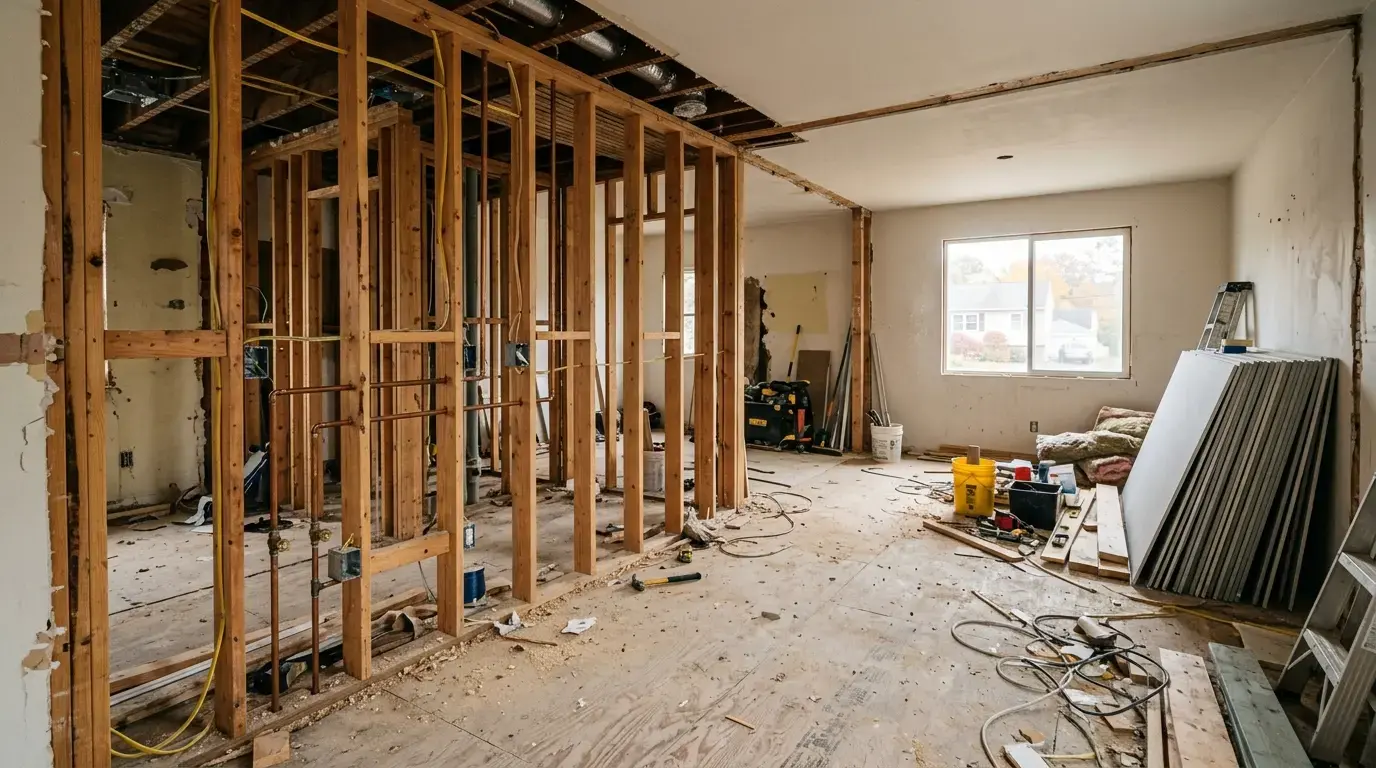
The scope should describe the work in enough detail that you can visualize what happens. Not “install flooring.” Which rooms, how much square footage, what happens to the old material, and who hauls it away. Not “paint interior,” but which rooms, which surfaces, how many coats, and whether trim and ceilings are included. Vague scopes aren’t always dishonest, but they leave room for interpretation, and interpretation is where disputes start. If you can read the scope and still wonder whether something specific is included, ask before signing. A contractor who won’t put the answer in writing has told you something useful about how the project will go.
The most useful line on many estimates is what’s not included.
Materials Named, Not Implied
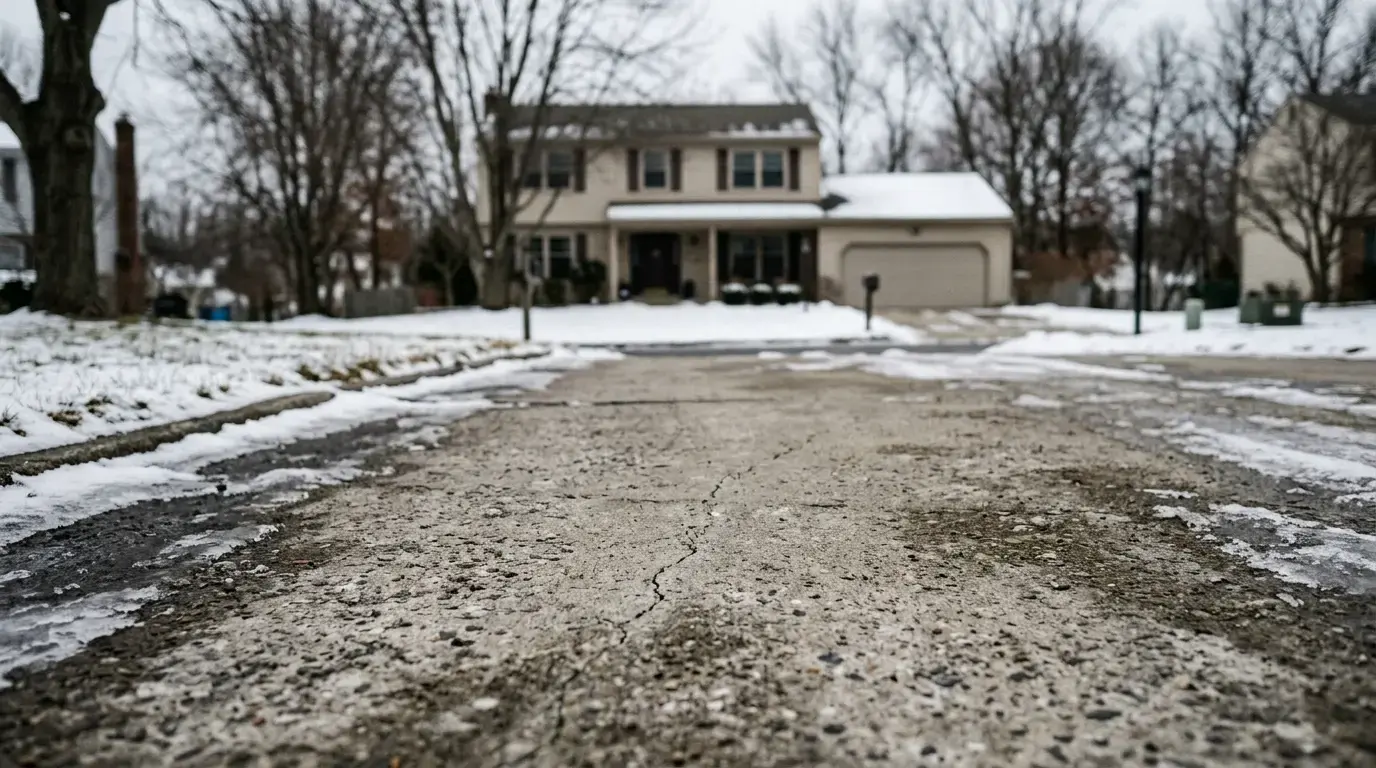
Material lines should be specific. Flooring should say the type and, ideally, the product. Concrete should state thickness and reinforcement. Trim should name the profile and whether it’s MDF, pine, or hardwood. Paint should specify the number of coats and the sheen per surface. This matters because material is where two quotes diverge without either one being wrong. A vinyl plank estimate at one price and another at half that may both be accurate for different products. Without the material named, you’re comparing nothing. Allowances are fine when the selection isn’t made yet. The amount should be written down so you know what happens if you exceed it.
Exclusions Are as Important as Inclusions
The most useful line on many estimates is what’s not included. Demolition, disposal, permits, painting after carpentry, and moving furniture are common exclusions. So are repairs to whatever gets discovered behind the wall. None of them are unreasonable, and a contractor who lists them is being straight with you. The problem comes when they go unmentioned and appear later as change orders. On older homes especially, ask directly how unforeseen conditions get handled and approved. Rot behind a wall and failed subfloor under old flooring aren’t rare here in New Jersey. Knowing in advance how they get priced beats finding out mid-job.
Timeline, Payment, and Credentials
A written estimate should give you a realistic window, not a best case. Ask what the schedule assumes and what could move it. Payment terms should be spelled out, and a large deposit relative to the total is worth asking about. On credentials, ask for the contractor’s registration or license information and check that it’s current. Any legitimate contractor expects that question and answers it without hesitation. Insurance is a separate question from licensing, and worth asking directly rather than assuming. Getting all of this in writing before work starts costs you nothing and removes almost every argument that happens later.
Every estimate we send is written, itemized, and free. Learn more about RD General Contractor LLC and how we run projects, or request a free written estimate with a clear scope, materials, and timeline.